
A Practical Spiritual Growth Plan for New Believers
Ever felt that flutter of excitement when you first hear about a spiritual growth plan for new believers, then a wave of uncertainty crashes in because you’re not sure where to start?
I get it. It’s like opening a brand‑new book and seeing blank pages—thrilling, but also a little scary.
What if I told you that the first step isn’t a massive overhaul, but simply a gentle habit that fits into your everyday rhythm?
Think about the last time you set a personal goal—maybe drinking more water or jogging a few times a week. You didn’t quit overnight; you built it piece by piece.
That same mindset works for your faith. A spiritual growth plan for new believers can be broken down into bite‑size practices that you actually enjoy.
For instance, start with a five‑minute morning reflection where you read a single verse, breathe, and ask a quick prayer. No pressure, just presence.
Then, sprinkle in a weekly community check‑in—whether it’s a small group, a coffee chat with a mentor, or an online forum. Connection fuels momentum.
You might wonder, “Will this really move the needle?” Absolutely—consistent tiny steps add up, creating a steady current that carries you deeper into your walk with God.
And don’t forget to celebrate the small wins. When you finish a chapter of a devotional or stick to your prayer rhythm for a week, give yourself a little high‑five.
Remember, the goal isn’t perfection; it’s progress. Your spiritual growth plan for new believers is a living roadmap, adaptable as you grow.
So, as you read on, keep your heart open to practical tips that feel less like chores and more like friendly nudges toward a richer, more vibrant faith.
Ready to start building that gentle, sustainable momentum? Let’s dive in and map out the next steps together.
TL;DR
A simple spiritual growth plan for new believers blends tiny daily habits—like a five‑minute verse read, a quick prayer, and weekly community check‑ins to build lasting momentum.
Stick with these bite‑size steps, celebrate each small win, and watch your faith deepen naturally without pressure and feel more connected every single day.
Step 1: Establish a Daily Prayer Routine
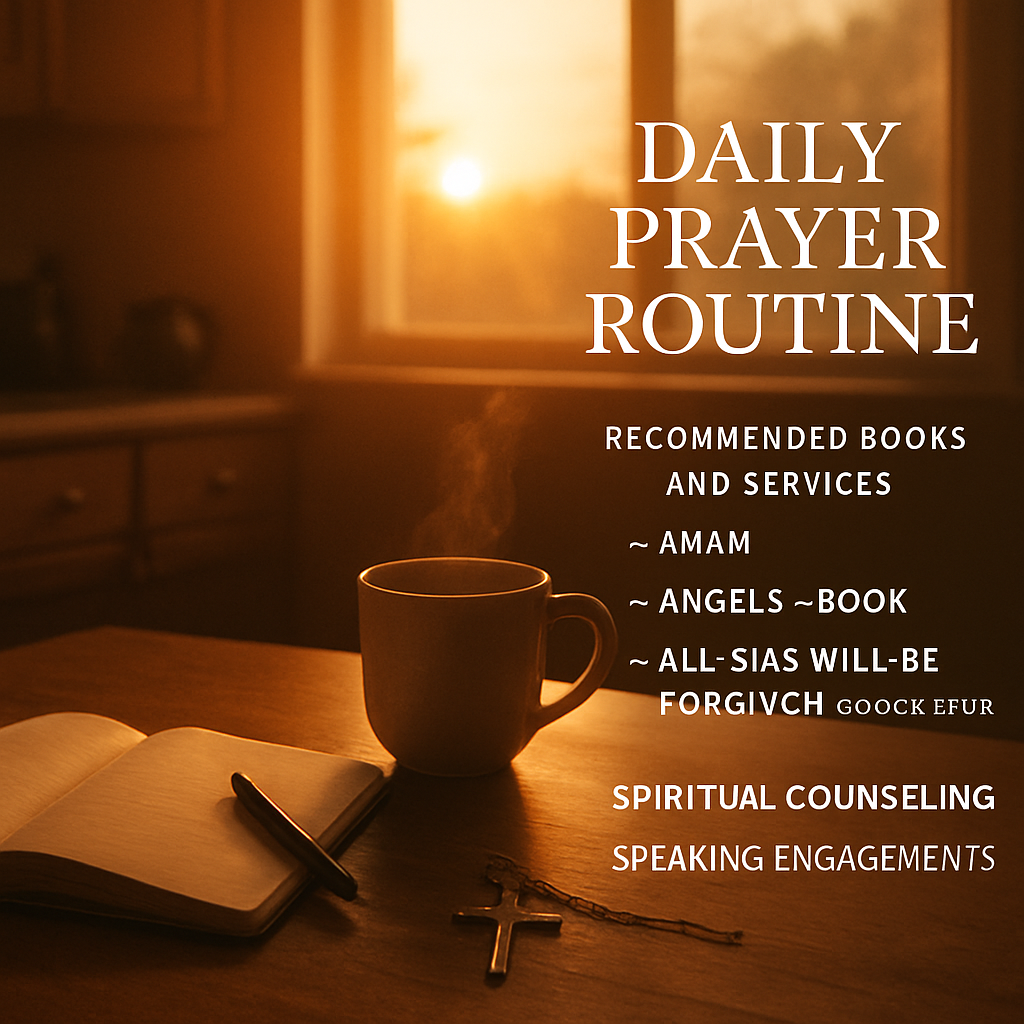
Ever notice how the first sip of coffee feels like a tiny victory? That’s the vibe we’re aiming for with a daily prayer habit. It’s not about a grand ceremony; it’s about a simple, repeatable moment that tells your heart, “I’m here, I’m listening.”
So, where do we start? Pick a time that already exists in your day—maybe right after you brush your teeth, or just before you set the alarm for tomorrow. The key is consistency, not length. Even two minutes can shift your whole day.
Here’s a quick three‑step framework you can try tomorrow:
1️⃣ Choose a cue
Use something you already do as a trigger. The sound of the kettle boiling, the click of your phone’s lock screen, or the moment you sit down at your kitchen table. When that cue shows up, you know it’s prayer time.
2️⃣ Keep it focused
Start with a single sentence. Something like, “Lord, help me see your love in today’s challenges.” If you’re feeling stuck, pull in a favorite verse—maybe Psalm 23:1, “The Lord is my shepherd…”—and let it guide your words.
3️⃣ End with gratitude
Wrap up by naming one thing you’re thankful for. It could be as tiny as the warmth of your mug or as big as a supportive friend. Gratitude flips the brain’s switch from “what’s missing?” to “what’s present?”
Does this feel doable? If you’re thinking, “What if I miss a day?”—don’t sweat it. The habit builds on the days you do show up. Think of it like a garden; a missed watering doesn’t kill the plant, but regular care makes it thrive.
Need a deeper dive on structuring prayer? Check out How to Build a Prayer Life: Simple Steps for Daily Spiritual Growth for a step‑by‑step guide that walks you through different prayer styles, from adoration to petition.
Now, let’s talk tools. A small notebook works wonders—a dedicated prayer journal helps you track patterns, answered prayers, and the themes that keep resurfacing. If you’re tech‑savvy, a notes app with a reminder works just as well.
And here’s a thought: what if you wanted to share this routine with a friend? You could co‑create a short video, post it, and let the community amplify it. That’s where Scalio AI ads platform can step in, letting you quickly craft an eye‑catching clip to inspire others without spending hours on editing.
Speaking of spreading the word, many new believers also look for ways to let more people know about their journey. Partnering with healthier lifestyle solutions can help you design ads that reach folks interested in both spiritual and physical wellness, creating a ripple effect of encouragement.
Below is a quick visual reminder of the three‑step loop. Picture yourself standing at the kitchen sink, cue‑trigger, short prayer, and a grateful smile.
Take a moment after watching to jot down the cue you’ll use tomorrow. It could be as simple as “the kettle whistles” or “the phone buzzes.” Write it down, set a tiny alarm if you need to, and trust that the habit will start to stick.
Finally, give yourself a tiny celebration after each session—maybe a smile, a silent “thank you,” or a quick stretch. These micro‑rewards reinforce the habit loop and make the practice feel rewarding, not burdensome.
Remember, the goal isn’t perfection; it’s progress. Over the next week, aim for at least five days of this simple routine. When you look back, you’ll likely notice a calmer mind, clearer decisions, and a deeper sense of connection. That’s the magic of a spiritual growth plan for new believers—tiny, consistent steps that lead to lasting transformation.
Step 2: Study Foundational Scripture
When you’ve gotten the habit of a quick morning prayer, the next piece of a spiritual growth plan for new believers is to actually sit down with God’s Word. It can feel intimidating—‘Where do I even start?’—but the good news is you don’t need to slog through Genesis from cover to cover right away.
A solid starting point is a Bible reading plan that highlights the life, death, and resurrection of Jesus before it drifts into the more complex Old Testament sections. That focus mirrors how most new Christians first encounter the gospel, and it keeps the momentum moving.
Here’s a quick three‑step cheat sheet you can copy onto a sticky note:
- Pick a short passage (say, John 3:1‑17) and read it slowly, pausing on any phrase that sticks.
- Write down the main idea in one sentence—something like ‘God’s love meets my need for purpose.’
- Ask yourself two reflective questions: What does this tell me about God today? How can I live it out this week?
Doing this each day turns reading into a conversation rather than a chore, and you’ll start noticing patterns—grace, forgiveness, purpose—right away.
But what if you hit a snag and the passage feels heavy? That’s where the ‘foundational’ part of the plan kicks in: keep a short notebook titled ‘Scripture Snacks.’ Jot a single word that jumps out—‘faith,’ ‘hope,’ ‘peace’—and then write a quick prayer asking God to make that truth real in your life.
If you prefer a visual walkthrough, this short video walks you through exactly how to set up your first study session.
Notice how the presenter pauses after each verse, letting the Holy Spirit speak. Try copying that rhythm: read, reflect, write, pray, then move on. In just five minutes you’ve turned a random paragraph into a personal encounter.
A common mistake is to aim for quantity—reading a whole chapter every night—only to feel drained. The New Start Discipleship team found that a focused 10‑15‑minute daily plan boosts retention and keeps new believers engaged (their research on effective Bible reading plans).
So, here’s a quick checklist you can print or save on your phone:
- Choose a passage that focuses on Jesus’ life or teaching.
- Read slowly, highlight a phrase that speaks to you.
- Summarize the main point in one sentence.
- Write a one‑word “snack” and a short prayer.
- Mark the date and review your notes weekly.
Give yourself permission to start imperfectly. The goal isn’t to master every book of the Bible in a month; it’s to build a habit that keeps you talking with God day after day.
When you finish a week, flip through your notes, notice the themes that keep showing up, and ask God to deepen those areas. That simple loop—read, reflect, pray, review—forms the backbone of any spiritual growth plan for new believers.
Tip: Pair your study time with a cup of tea or a short walk. The physical cue reinforces the mental habit, making it easier to stick around busy weeks. Over time, you’ll see your understanding of Scripture grow deeper, and the rest of your spiritual growth plan will feel more natural.
Step 3: Join a Faith Community
Okay, you’ve got your morning prayer and a bite‑size Bible habit. The next piece of a spiritual growth plan for new believers is something you can’t do alone: finding a community where faith gets lived out together.
Why does community matter? Think about the first time you learned to ride a bike. You probably needed a friend to steady the seat, a smile when you wobbed, and a high‑five when you finally nailed it. Spiritual infancy works the same way. thinke.org explains that new believers need “spiritual milk” and the encouragement of a loving group to thrive. Without that, the habit you’ve built can feel like a solo walk on a quiet road—nice, but a little lonely.
How to pick the right community
1. Start where you’re comfortable. A coffee‑shop Bible study, a home‑based small group, or a church that offers a “new‑believer” class are low‑pressure entry points. You don’t have to sign up for a massive Sunday service right away.
2. Look for intentional connection. Does the group have a regular check‑in, a mentorship pair‑up, or a simple “share a prayer request” moment each week? Those little rituals are the lifeblood of a growing community.
3. Ask about teaching style. You want a place that walks through Scripture step‑by‑step, not one that throws you into deep doctrinal debates before you’ve had a chance to drink the basics.
4. Feel the vibe. Sit in on a meeting and notice the atmosphere. Is there genuine laughter? Are people quick to welcome newcomers? Trust your gut—if you feel judged, that’s a red flag.
Three practical ways to get plugged in
- Invite a friend. Bring someone you already trust to a small group. It turns the experience into a shared adventure and eases the “I don’t know anyone” anxiety.
- Commit to a “one‑hour‑a‑week” rule. Mark your calendar for a specific day and time. Treat it like your coffee timer from Step 1—consistency beats occasional enthusiasm.
- Serve a simple task. Volunteering to set up chairs, bring snacks, or greet newcomers gives you a purpose and opens doors to deeper relationships.
Does this feel overwhelming? It can, but remember the goal isn’t to collect a massive social network. It’s to have a handful of people who can pray for you, ask you tough questions, and celebrate the tiny wins you notice in your spiritual growth plan for new believers.
Now, if this sounds a bit much, think about how you’d feel walking into a room full of strangers without a greeting. That’s why the “one‑hour‑a‑week” rule and serving a simple task matter—they give you a purpose and a friendly face right off the bat.
Mini‑story: Sarah’s “Sunday‑Morning Circle”
Sarah moved to a new city and felt the familiar flutter of excitement mixed with the dread of “who am I going to talk to?” She stumbled into a church’s “Sunday‑Morning Circle” after seeing a flyer at a local coffee shop. The group met for 45 minutes, shared a short devotional, and then broke into pairs for a quick prayer exchange. Within three weeks, Sarah had a “accountability buddy” who reminded her to log her prayer notes, and she started looking forward to the circle more than her solo coffee‑time study. The community didn’t just keep her habit alive; it gave her a sense of belonging that made the whole spiritual growth plan feel less like a checklist and more like a shared journey.
Now it’s your turn. Grab a notebook, write down three local groups that fit the criteria above, and reach out by email or a quick call this week. If you’re not sure where to start, many churches list “new‑believer” gatherings on their websites—just type “new believer small group near me” into your search engine and see what pops up.
And hey, if you ever feel stuck, remember you can always circle back to the basics: a short prayer, a single verse, and the simple act of showing up. Community is the amplifier that takes those tiny sparks and turns them into a steady, warm light.

Step 4: Apply Spiritual Disciplines
Alright, you’ve got the prayer habit, a bite‑size Bible study, and a community that’s cheering you on. The next piece of a spiritual growth plan for new believers is to weave in a few intentional spiritual disciplines—practices that keep your heart moving toward Jesus even when life gets noisy.
Pick one discipline to start
Don’t feel the pressure to do everything at once. Think of it like adding a new spice to a favorite dish; you add a pinch, taste, then decide if you want more. Choose a practice that matches a current need—maybe you’re wrestling with gratitude, or you feel your mind is always racing.
Common starter disciplines include:
- Daily Scripture memorization (a single verse you can whisper throughout the day).
- Brief fasting from a favorite snack or social media to sharpen focus.
- Quiet listening time—five minutes of sitting still, just being present with God.
Pick the one that feels most doable right now, write it on a sticky note, and place it where you’ll see it each morning.
Make it a habit
Remember the cue‑action‑reward loop from Step 1? Use the same trick. If you decide to memorize a verse, let the cue be your morning coffee. While the coffee brews, read the verse three times, then repeat it silently as you sip.
Set a tiny timer—maybe 60 seconds—so you don’t overthink it. When the timer dings, you’ve completed the discipline for the day. The reward? A quick sense of accomplishment and a fresh reminder of God’s truth tucked in your mind.
Do you ever wonder why some habits stick while others flop? It’s not magic; it’s consistency. Even a “one‑minute fast” from Instagram after dinner can become a signal that you’re shifting your focus from scrolling to prayer.
Pair disciplines with community
Community isn’t just a weekly check‑in; it can be a partner in your discipline. Tell a friend, “I’m going to fast from caffeine on Wednesdays, want to join?” or “Let’s swap verses each week.” That accountability turns a solo effort into a shared adventure.
Sarah, from the earlier story, added a quick “gratitude pause” after her small‑group prayer. She’d jot one thing she was thankful for on a post‑it and hand it to the group. The habit spread, and the whole circle started ending meetings with a smile.
Track and celebrate
Just like you logged prayer wins, add a tiny column in your notebook for spiritual disciplines. Mark the day you did the verse, the fast, or the silence. When you look back after a month, you’ll see a pattern of growth you might have missed in the hustle.
And celebrate! Give yourself a mental high‑five, or treat yourself to a favorite snack (after a fast, of course). Small celebrations reinforce the habit loop.
Does this feel like adding another “to‑do” list? Not really. It’s more like sprinkling tiny, intentional moments of grace into your day. Over weeks, those moments add up, shaping a heart that’s more attuned to God’s voice.
If you’re curious about the biblical basis for these practices, CRU explains how spiritual disciplines strengthen faith and why they’re considered tools, not rules.
Ready to pick your first discipline? Grab that sticky note, write down your cue, set a timer, and let the Spirit do the rest. You’ll be amazed at how a simple habit can open doors to deeper transformation.

Step 5: Track Growth with Journaling
Alright, you’ve added prayer, Scripture, community, and a discipline. Now we need a place to see the breadcrumbs you’re leaving behind. That’s where journaling steps in – it’s the quiet mirror that tells you, “Hey, you’re actually moving.”
Does it feel weird to write down something as personal as your faith walk? I hear you. The good news is you don’t have to craft a novel; you just need a habit of noting the small moments that matter.
Why journaling matters for a spiritual growth plan for new believers
When you pause to write, you’re doing what philosophers and pastors have called “examining our hearts.” Marc Alan Schelske explains that reflection turns experience into growth. In other words, the act of putting pen to paper (or keys to screen) is the bridge between “I did it” and “I learned from it.”
Think about the last time you felt a sudden peace after a prayer. If you’d captured that feeling, you could look back weeks later and see a pattern of God’s quiet answers – a confidence boost you’d otherwise miss.
A super‑simple journaling template
Here’s a six‑section template that takes less than ten minutes. Feel free to copy‑paste it into a notebook, a phone app, or even a voice memo.
| Section | What to write | Why it helps |
|---|---|---|
| Date & Cue | Today’s date + the habit cue you used (e.g., “Morning coffee”) | Anchors the entry to a concrete moment. |
| Gratitude Snap | One thing you’re thankful for right now. | Shifts brain toward positivity. |
| Scripture Highlight | Verse or phrase that stuck, plus a quick thought. | Locks God’s word in memory. |
| Emotion Check | How you felt before, during, after the practice. | Reveals spiritual trends. |
| Prayer Prompt | One short prayer that arises from the entry. | Turns reflection into action. |
| Next‑Step Note | A tiny tweak for tomorrow (e.g., “Add a breath pause”). | Creates a forward‑moving loop. |
That table looks tidy, but the real magic is in the habit. You don’t need a fancy journal; a cheap spiral notebook works just fine. The key is consistency, not the brand.
Pick your spot, pick your time
Most people find a “transition moment” works best – right after your morning prayer, or right before you close your laptop at night. Choose a spot that feels safe: a comfy chair, a kitchen table, or even the car seat while you wait for a red light.
Set a timer for five minutes. When it buzzes, you’ve honored the habit, even if the entry is only a single sentence. Over time you’ll notice the entries getting richer, and that’s exactly the growth we’re tracking.
So, what should you do next? Grab whatever you call a journal right now and write the first line: “2025‑11‑25 – Cue: coffee. Grateful for the warm mug.”
Track, review, celebrate
Every week, flip back to the first entry of the month. Highlight any recurring themes – maybe “peace after fasting” or “confusion about a verse.” Seeing those threads stitch together is like watching a timelapse of your own spiritual garden.
Give yourself a tiny celebration when you spot progress: a favorite snack, a short walk, or a mental high‑five. The reward loop keeps the habit alive.
Quick checklist to get started
- Choose a physical or digital journal you’ll keep handy.
- Set a daily cue (coffee, bedtime, post‑study).
- Use the six‑section template for each entry.
- Timer set for 5 minutes – no more, no less.
- Review your log weekly and note patterns.
- Celebrate one insight with a small treat.
If you prefer a ready‑made guide, Charlene Murray’s “Spiritual Food” e‑book includes a printable journaling worksheet that follows the same six‑section flow. The PDF walks you through each part with prompts and even a short devotional each day, so you’re never stuck wondering what to write. Grab it, print it, and let the pages do the heavy lifting while you focus on listening to God.
When you make journaling a regular stop on your spiritual growth plan for new believers, you’ll start seeing the invisible become visible. And that, my friend, is the proof you need to keep going.
Step 6: Seek Mentorship & Counseling
Now that you’ve built a prayer habit, a bite‑size Bible study, a community, and a few spiritual disciplines, you might be wondering what’s next. The missing piece is often a seasoned guide who can see the blind spots you can’t see yourself. That’s why seeking mentorship or counseling is a crucial step in any spiritual growth plan for new believers.
Why mentorship matters
Think about the first time you learned to drive. You didn’t just read a manual—you needed someone in the passenger seat, pointing out the blind spots and cheering you on when you finally nailed a parallel park. Spiritual life works the same way. A mentor can ask the right questions, share personal stories, and give you accountability without judgment.
And it’s not just about avoiding mistakes. A good mentor can introduce you to resources you’d never stumble upon on your own—like Charlene Murray’s “Spiritual Food” e‑book or a focused counseling session that dives deeper into the areas where you feel stuck.
How to find a mentor
Start where you already feel safe. Your small‑group leader, a pastor you admire, or even a mature friend who consistently lives out their faith can be a natural fit. Ask them, “Would you be willing to meet once a month to talk about my spiritual walk?” You’ll be surprised how many people love the idea of paying it forward.
If you don’t have anyone nearby, consider online mentorship platforms or church networks that pair new believers with seasoned volunteers. Look for a mentor who matches your learning style—some people prefer a structured study plan, others thrive on casual coffee chats.
Counseling: When professional help is needed
Sometimes the hurdles aren’t just habit‑based; they’re emotional or relational wounds that need a trained ear. That’s where spiritual counseling steps in. It’s not therapy in the secular sense—it’s a Christ‑centered conversation that helps you process pain, clear confusion, and align your heart with God’s purpose.
Charlene Murray offers a personalized counseling service that blends biblical insight with practical life coaching. Even if you’re not ready to commit to a full program, a single session can give you a roadmap for the next weeks of your growth plan.
Does this feel intimidating? It can, but remember the goal isn’t perfection. It’s progress. A counselor or mentor isn’t there to judge; they’re there to walk beside you, pointing out where you’re already doing well and where a tiny tweak could make a big difference.
Practical steps to get started
1. Identify a need. Write down the area where you feel most stuck—maybe it’s interpreting Scripture, dealing with anxiety, or finding purpose at work.
2. Make a shortlist. List three people you respect spiritually. Include one person from your church, one from a trusted online community, and one professional counselor you’ve heard good things about.
3. Reach out with a simple ask. A quick text like, “Hey, I’m working on a spiritual growth plan and could use a monthly check‑in. Would you be open to that?” keeps the request low‑pressure.
4. Set clear expectations. Agree on frequency (once a month works for most), format (coffee, Zoom, or a walk), and a short agenda (quick win review, a question, prayer).
5. Track the conversations. Add a bullet point to your journaling template after each meeting: what you discussed, a key insight, and an action step for the next week.
6. Celebrate the partnership. Treat yourself to a favorite snack after a breakthrough, or send a thank‑you note to your mentor. Those little gestures reinforce the relationship.
Remember, mentorship isn’t a one‑way street. Offer something in return—maybe you can share a favorite devotional, help with a tech issue, or simply be a listening ear when they need it. That reciprocity builds genuine connection.
So, what should you do next? Grab your journal, write down the top three spiritual challenges you’re facing, and then reach out to at least one potential mentor this week. If you feel the need for deeper healing, schedule a short counseling session and let the professional insight guide you toward the next level of your spiritual growth plan for new believers.
FAQ
What exactly is a spiritual growth plan for new believers?
A spiritual growth plan is a simple roadmap that turns big‑picture faith goals into bite‑size habits you can actually stick with. Think of it as a weekly menu: a few minutes of prayer, a short Scripture snack, and a quick check‑in with a friend or mentor. By breaking everything down, you avoid overwhelm and create steady momentum that feels natural, not forced.
How do I start a daily prayer habit without feeling like it’s another task?
Pick a cue you already do—like your morning coffee, brushing teeth, or the first time you sit at your desk. Pair that cue with a five‑minute prayer, even if it’s just a quick “thank you, help me today.” Set a tiny timer so you know when the minute is up, then note one feeling that rose up. The key is consistency, not length.
What’s the best way to study Scripture if I’m completely new to the Bible?
Start with a single passage that talks about Jesus—John 3, for example. Read it slowly, underline a phrase that sticks, then write a one‑sentence summary in your own words. Follow that with two reflection questions: “What does this say about God’s love for me?” and “How can I live that truth this week?” Keep a small notebook called “Scripture Snacks” and add a new entry each day.
How can I find a supportive faith community without feeling judged?
Look for low‑pressure gatherings like a coffee‑shop study group or a “new‑believer” class at a local church. Sit in on a session first; notice whether people laugh, welcome newcomers, and keep the conversation friendly. If the vibe feels safe, commit to a one‑hour‑a‑week rule—just like you’d schedule a workout. Serving a tiny task, like handing out snacks, also gives you a purpose and opens doors to deeper friendships.
Why is mentorship important, and how do I ask someone to be my mentor?
A mentor acts like a spiritual GPS, pointing out blind spots and cheering you on when you make progress. To ask, send a brief, low‑pressure text: “Hey, I’m working on a spiritual growth plan and could use a monthly check‑in. Would you be open to that?” Keep the ask simple, suggest a casual format (coffee or Zoom), and be ready to reciprocate with something you can offer, like sharing a favorite devotional.
What role does journaling play in my growth plan, and how much time should I spend?
Journaling is the mirror that shows you the invisible steps you’ve taken. Use a six‑section template—date, gratitude, Scripture highlight, emotion check, prayer prompt, and next‑step note. Set a timer for five minutes right after your prayer or study time, then fill in the sections. Over weeks you’ll spot patterns, celebrate tiny wins, and see how God is shaping your heart.
How can I keep the momentum going when life gets hectic?
When schedules crowd in, return to the cue‑action‑reward loop you built earlier. If you usually pray with coffee, move that prayer to a quick “water‑break” at work instead. Reduce the habit to one minute if needed, but keep the cue consistent. Pair the habit with a tiny celebration—a mental high‑five, a favorite snack, or a quick text to a friend saying, “I did it.” Small rewards keep the habit alive even on busy days.
Conclusion
We've walked through every piece of a spiritual growth plan for new believers, from that first five‑minute prayer to the deeper habit of journaling.
Remember the cue‑action‑reward loop you built with your coffee or kids’ breakfast? That tiny anchor is what turns a fleeting thought into a lasting rhythm.
Pairing Scripture study with a single‑sentence summary keeps the Word from feeling like a chore, and joining a small group gives you a safety net when life gets noisy.
Adding a simple discipline—like a verse memorization or a quick fast—adds flavor without overwhelming your schedule, and a mentor or counselor can point out blind spots you might miss on your own.
So, what’s the next move? Grab your notebook, write today’s cue, and note one tiny win. If you crave more structure, Charlene Murray’s "Spiritual Food" e‑book offers printable templates that fit right into this plan.
Keep the loop alive: set a timer, celebrate the small victory, and revisit your entries each week. That’s how momentum builds even when the week feels chaotic.
Ready to make this plan your daily companion? Start now, stay curious, and watch your faith grow one intentional moment at a time.
Trust the process, and remember: every small step is a seed that God can multiply.